

Athlete's Foot
Athlete's foot is a common fungal infection that can affect anyone, not just athletes. The good news is that it's easily treatable with over-the-counter creams, sprays, or powders.

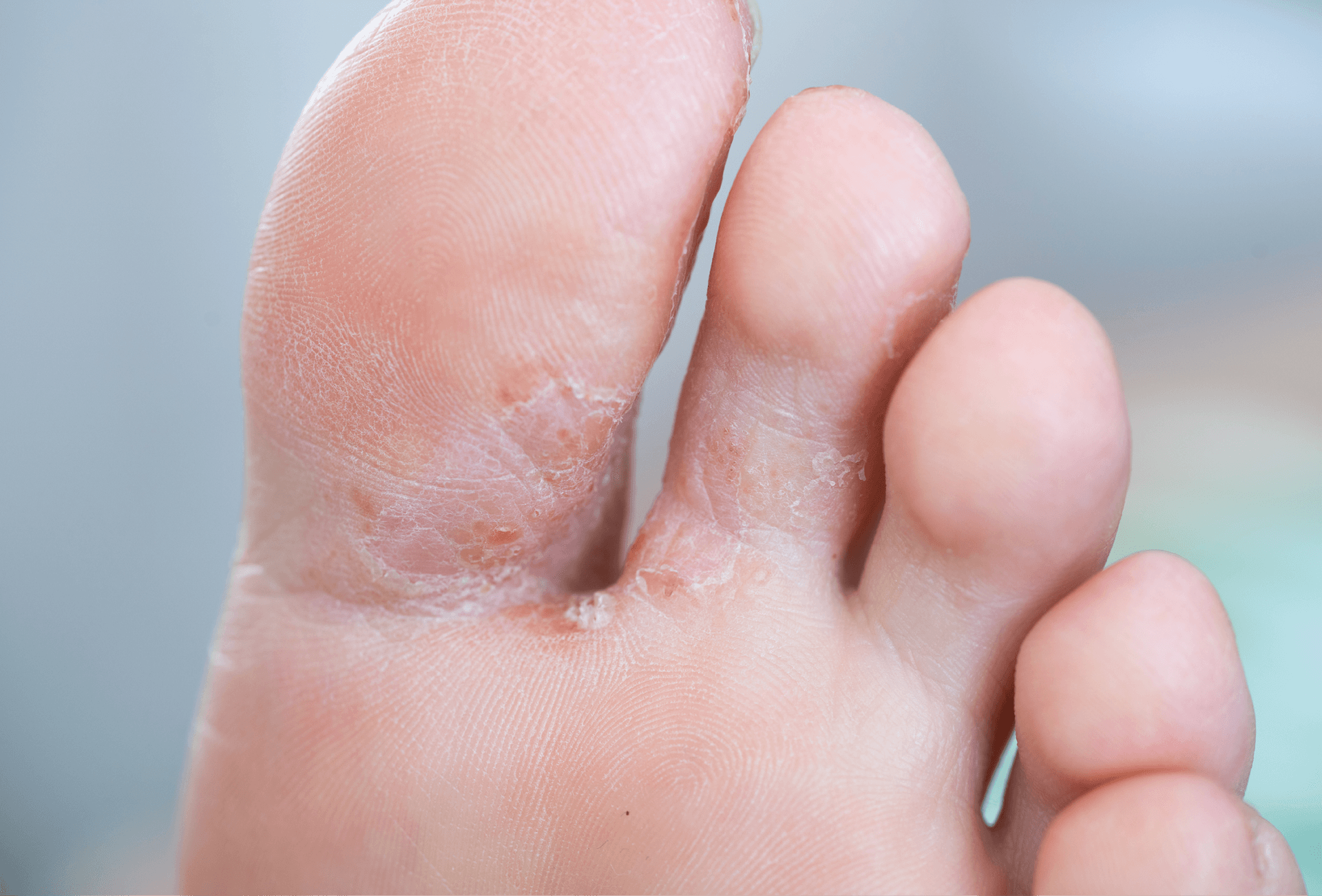
How do people get athlete's foot?
Athlete's foot occurs when your feet come into contact with a fungus called dermatophytes, which is commonly found in moist and warm environments such as locker rooms, public showers, and swimming pools.
What are the symptoms of athlete's foot?
The symptoms of athlete's foot usually include itching, burning, redness, and peeling of the skin on your feet. It is usually found between the toes and, if not treated, can spread to your toenails, causing a fungal nail infection.
Can athlete's foot spread to other parts of the body?
Yes, athlete's foot can spread to other parts of your body if left untreated or not properly cared for. These are often moist areas and can include your hands and sometimes your face.
How is athlete's foot diagnosed?
A healthcare provider may diagnose athlete's foot by examining your feet and performing a test on the skin to check for the presence of fungus.
What is the best way to treat athlete's foot?
The best way to treat athlete's foot is to keep your feet clean and dry and apply an over-the-counter antifungal cream or powder. These are available at your local pharmacy.
Furthermore, local pharmacies across Scotland and Wales also offer treatment for athlete’s foot. Simply pop in to ask for advice, or book an appointment in advance!
Can I prevent athlete's foot?
Yes, you can prevent athlete's foot by wearing clean and dry socks, avoiding walking barefoot in public places, and keeping your feet dry and well-ventilated.
Are there any home remedies for athlete's foot?
Although tea tree oil, vinegar, and garlic have all been suggested as potential home remedies for athlete's foot, it's always best to speak with your pharmacist before trying any new treatments. We don’t know about you, but we’d prefer garlic in our meals than on our feet!
How long does it take to treat athlete's foot?
With proper treatment, athlete's foot can typically be cured within several weeks, although it may take longer for more severe cases. Just make sure you keep your feet clean and dry, and try not to wear the same pair of shoes for more than 2 days in a row.
Should I see a doctor for athlete's foot?
If your athlete's foot symptoms persist or worsen despite home treatment, or if you have a weakened immune system or other underlying medical conditions, it's always best to seek advice from a healthcare professional. If unsure, your pharmacist will be able to point you in the right direction.
Can you go swimming with athlete's foot?
The short answer is no. It's best to avoid swimming with athlete's foot to prevent the fungus from spreading to others and potentially worsening your condition. This can be annoying if you’re a regular swimmer, but with the right treatment, you'll be back in the water in no time!
Does sunscreen help athlete's foot?
You may have heard this before, but sunscreen won't do much for dealing with athlete’s foot. While it may provide some protection against harmful UV rays, it won't combat the underlying cause of athlete's foot. Stick to tried-and-true antifungal treatments to show those foot invaders who's boss!
More from Rowlands Pharmacy


Find your local pharmacy
We have over 300 pharmacies across the UK, find your nearest one using our pharmacy finder
Find a pharmacy
PilPouch
This pouch-based system is a simple and convenient way of administering and keeping track of medication
Learn more
In-pharmacy services
We have a wide range of services available, from medication management to vaccinations
Find out more